
Why the UK is (Probably) About to Get Its 7th PM in 10 Years
The Revolving Door at No. 10

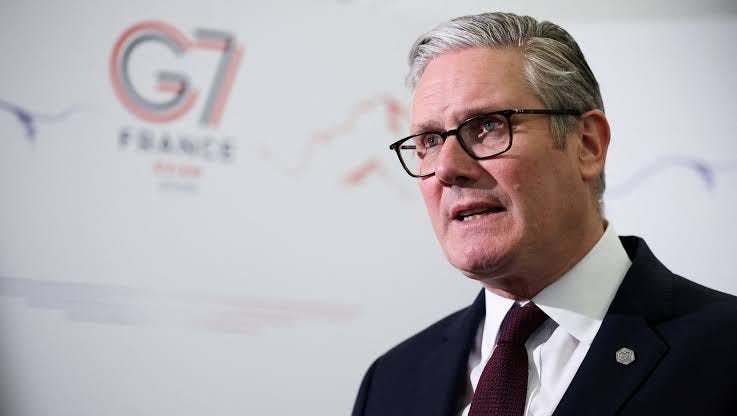
If you’ve taken a casual glance at the news or stumbled across Internet over the last 24 hours, you might have seen a variation of the exact same question popping up everywhere: What on earth is going on with the Brits?
Just two short years after the Labour Party won a massive, historic landslide victory in 2024, Prime Minister Keir Starmer is reportedly sitting at his country estate, Chequers, figuring out the exact wording for his resignation timetable.
If it feels like the UK swaps prime ministers as often as most people change their water filters, you’re not wrong. If Starmer steps down, Britain will be on its seventh prime minister in just a decade.
Backstory
When Keir Starmer took over in July 2024, he promised stability and a “reset” after years of chaotic Conservative leadership (the Partygate scandals, Liz Truss and the infamous head of lettuce, etc.).
But governing is hard, and the honeymoon ended fast. Starmer’s approval ratings plummeted to historic lows due to a mix of things:
The Cost of Living: Persistent economic stagnation and deeply unpopular decisions, like cutting winter fuel payments for the elderly.
Scandals & Missteps: A major controversy erupted over his decision to appoint Peter Mandelson as the UK Ambassador to the US, which triggered severe internal backlash and high-profile government resignations.
Polling Freefall: Labour started hemorrhaging voters to both the Green Party on the left and Nigel Farage’s Reform UK on the right.
What Happens Now?
As of right now, Downing Street insiders expect Starmer to address the nation and outline a timetable for his departure—most likely aiming for an orderly handover by the autumn.
The Next in Line: Andy Burnham is heavily favored by Labour MPs for a smooth “coronation” to take over the keys to Number 10 without a messy, drawn-out public civil war.
For the average British voter, it’s an exhausting case of political déjà vu. The UK system allows the ruling party to swap leaders without calling a full national general election, which means the country is staring down the barrel of yet another unelected leader taking the reins during a time of intense economic strain.
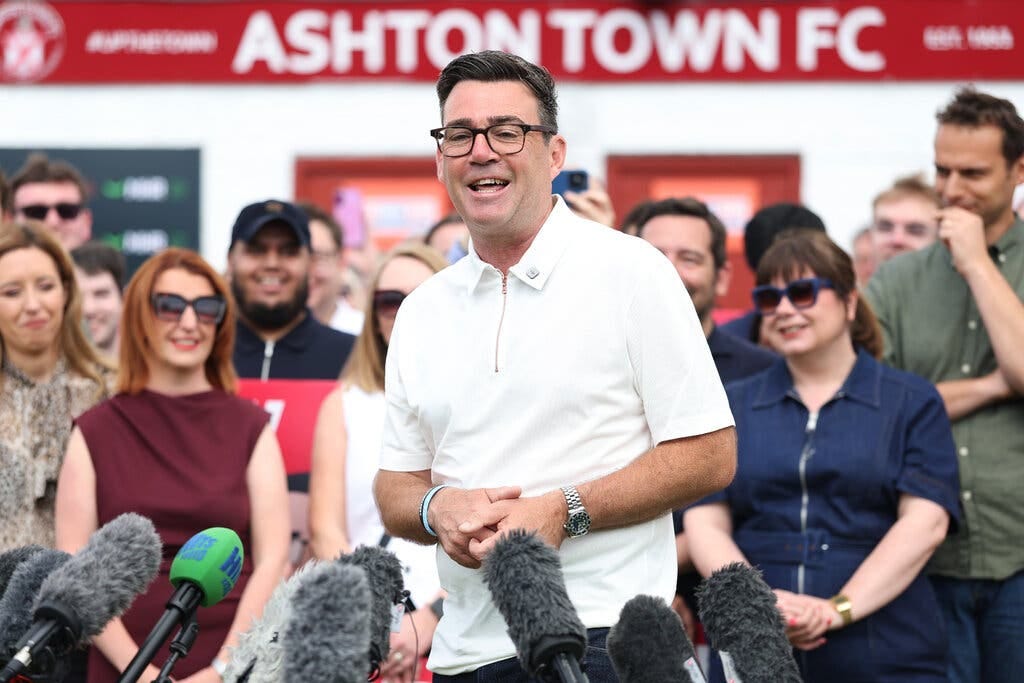
Stay tuned—the podium is being dusted off in Downing Street as we speak.