

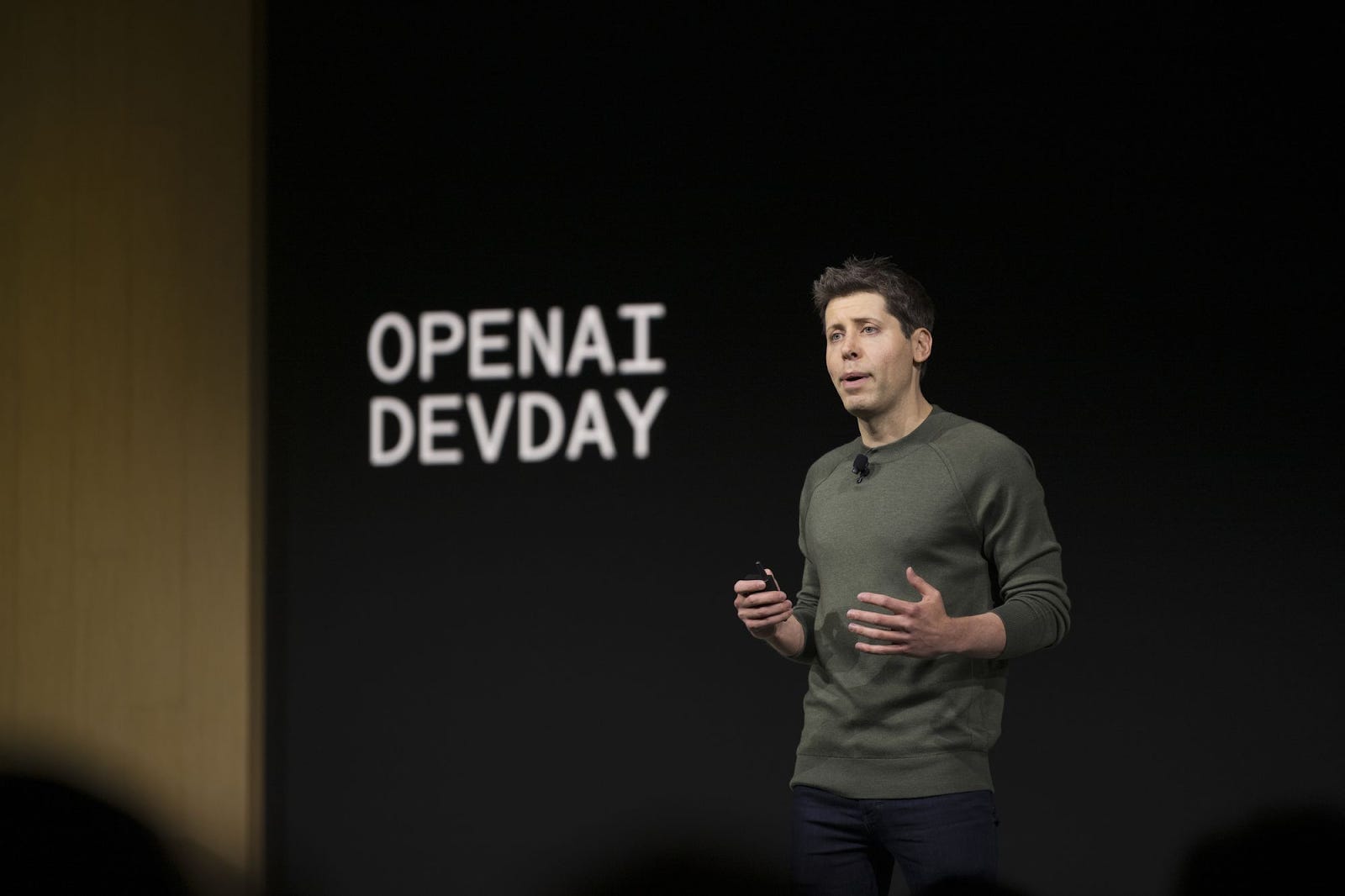
OpenAI's recent decision to deprecate older ChatGPT models like GPT-4o has sparked widespread backlash, especially after the GPT-5 rollout. Users are furious over losing access to familiar versions without notice, viewing it as a betrayal of their workflows and emotional attachments.
Many relied on older models for specific tasks, such as coding or consistent responses, where newer ones like GPT-5 sometimes falter on basics or feel too detached. Developers face API disruptions, forcing quick reconfigurations that halt productivity. Even OpenAI's Sam Altman called suddenly retiring user-dependent models a "mistake."
A big chunk of outrage stems from people treating older models as digital companions—agreeable "girlfriends" or friends that never argued back. Newer versions push back more realistically, breaking these parasocial bonds and exposing loneliness issues in society. It's sad seeing folks grieve AI "relationships" instead of building real ones, highlighting tech's double-edged role in isolation.
I get the dev frustration—sudden deprecations kill reliability we build around. But the companion angle worries me more; AI should augment human connections, not replace them. OpenAI should offer legacy access options, like Anthropic does, to ease transitions without stifling innovation. This backlash pushes AI firms toward better user communication and model preservation.
For users like me hooked on Linux and open-source, it reinforces preferring transparent tools over black-box giants.
Time to diversify beyond one provider? Absolutely.