

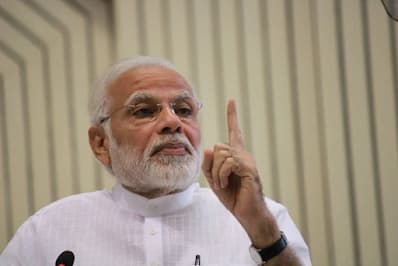
A man in Kerala faces legal action for calling Prime Minister Narendra Modi a "traitor" on Facebook, sparking debate on free speech limits. Police registered the case under Section 192 of the Bharatiya Nyaya Sanhita (BNS) for provocation likely to cause rioting and Section 120(o) of the Kerala Police Act for nuisance.
Incident Details
Rajan C Kottoor from Sreekandapuram posted the comment on March 3, 2026, prompting a BJP activist's complaint. The FIR claims it defamed the PM and aimed to incite riots, leading to an investigation tracing his device. This mirrors similar cases in Bhubaneswar and Tripura where derogatory PM posts triggered FIRs.
Legal Framework
Section 192 BNS punishes wanton provocation intending to spark riots, with harsher penalties if violence occurs. Section 120(o) Kerala Police Act targets online nuisances disrupting public order, though courts note not all Facebook posts qualify. India's social media rules under IT Act and BNS now penalize defamation, hate speech, and obscenity online.
Free Speech in India
Article 19(1)(a) guarantees speech freedom, restricted under 19(2) for public order and decency. The Supreme Court struck down vague IT Act provisions in Shreya Singhal (2015) to protect expression.Yet, regulations like Draft IT Rules 2026 aim to curb online harm while balancing rights.
Why Free Speech Matters
Free speech fuels democracy, enabling criticism of leaders without fear. Overbroad laws risk chilling dissent, as Kerala High Court warned against deeming every post an offense. In a digital age, clear lines prevent misuse while protecting society from incitement.