

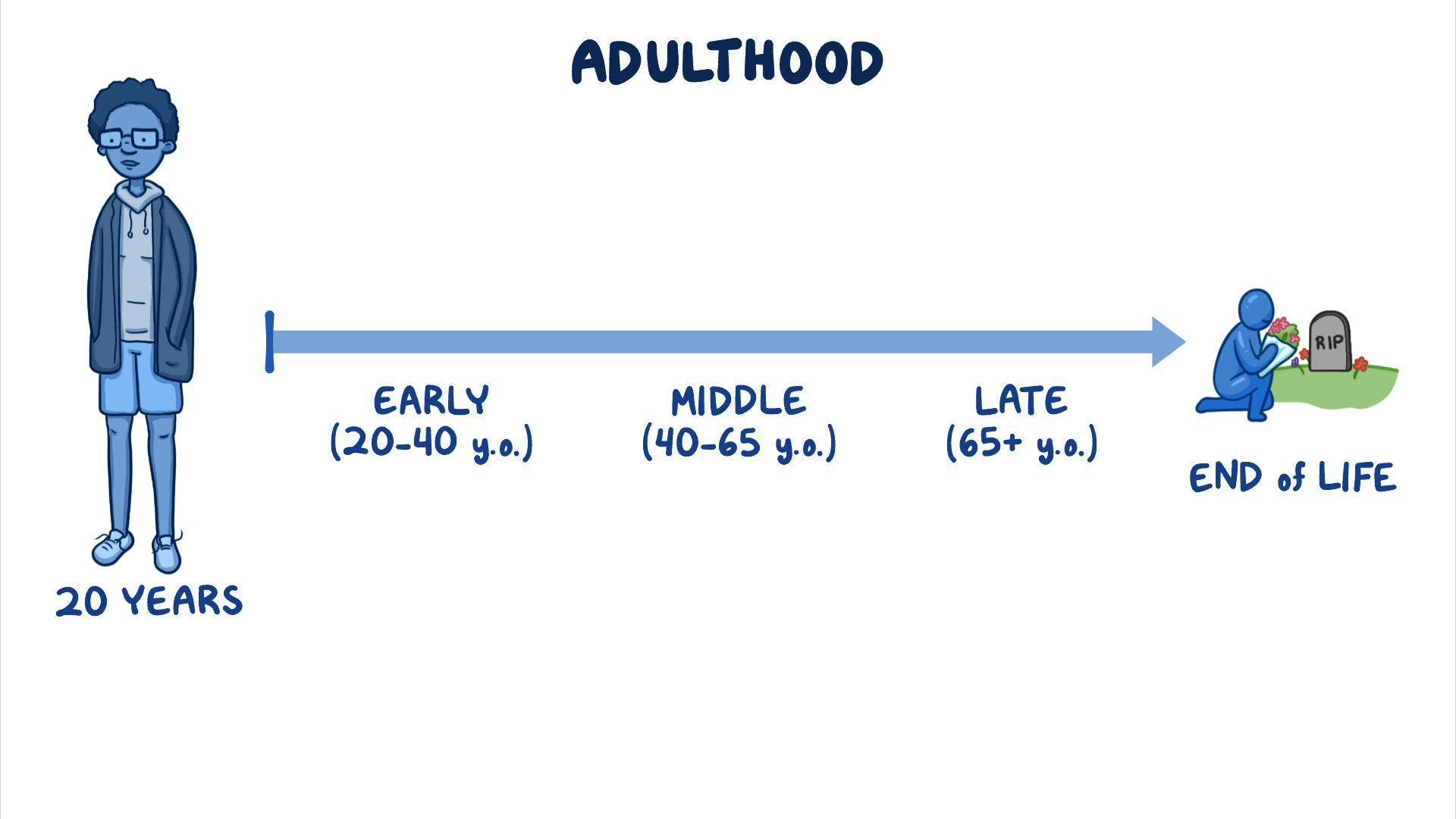
One of the biggest shocks of growing up is realizing that stability is largely a myth. As children, we view adulthood as a destination where life suddenly clicks into place. We assume we will wake up one day with total self-assurance, clear desires, and an answer for every crisis.
In reality, maturity reveals that almost everyone is improvising. People are figuring life out in real time projecting composure while feeling completely underwater, making major choices with limited data, and faking confidence because they assume everyone else has it figured out. Yet, this doesn't result in total collapse; instead, it creates a quiet, resilient momentum.
The core truth: Real confidence doesn't come from knowing everything. It comes from accepting that nobody else does either.
This perspective isn't meant to breed cynicism; it is a tool for liberation. When you realize that stability is dynamic rather than static, you drop the exhausting burden of needing total clarity before you take action. The people who inspire us aren't fearless they are simply agile. They relocate without guarantees, accept daunting roles, navigate evolving relationships, and offer advice they are still trying to master themselves. Life progresses because people continue to show up with whatever resources and doubts they have at the moment.
If you delay your life until you feel 100% certain, you will be waiting indefinitely. True confidence coexists with doubt; it is the capacity to move forward even when the path isn't perfectly lit. It means prioritizing progress over perfection, leaning into curiosity rather than fear, and choosing honesty over a false sense of control. Dropping the facade of total knowledge makes room for genuine growth and deep connections. The world doesn't require your flawless performance it just requires your willingness to take the next step.
Practical Shifts for Daily Life
To begin practicing this mindset today, focus on these manageable habits:
Make peace with imperfect choices: Set a hard deadline, gather the best data available, and commit to a path. Action provides far better data than endless deliberation.
Normalize the unknown: Speak honestly about your uncertainties with people you trust. It dismantles isolation and opens the door to invaluable perspectives.
Establish a baseline routine: Build grounding habits like consistent sleep, movement, and digital boundaries. View them as anchors for your well-being, not as guarantees of a problem-free life.
Treat setbacks as data points: When a plan falls through, focus on the lesson rather than internalizing it as a personal flaw. Pivot quickly from "I failed" to "Here is what I will adjust."
Lean into vulnerability: Be transparent about your aspirations and hesitance. It deepens bonds and invites the exact support you need.
View maturity as a process, not a finish line: Appreciate the small, daily shifts instead of waiting for a mythical moment when you will finally feel "fully baked."
Embracing the idea that adulthood is about managing questions rather than hoarding answers is incredibly freeing. It validates why you can feel completely unsure of yourself and still act with deep purpose. Confidence isn't a trophy you earn at a specific age; it is a daily commitment to choose reality over fiction.
The next time you feel the pressure to pretend you have it all under control, pause and take a breath. Remind yourself that everyone is figuring it out as they go. Then, take one small, genuine step toward what matters to you. That is the essence of maturity not a flawless recital, but a courageous, imperfect step forward.