
Single Maintainer for 26 Years Steps Down From Linux Memory Management Subsystem

The foundational infrastructure of modern operating systems often heavily relies on a shockingly small group of core individuals. Recently, a major change occurred in the Linux kernel development hierarchy that highlights this precise structural bottleneck.
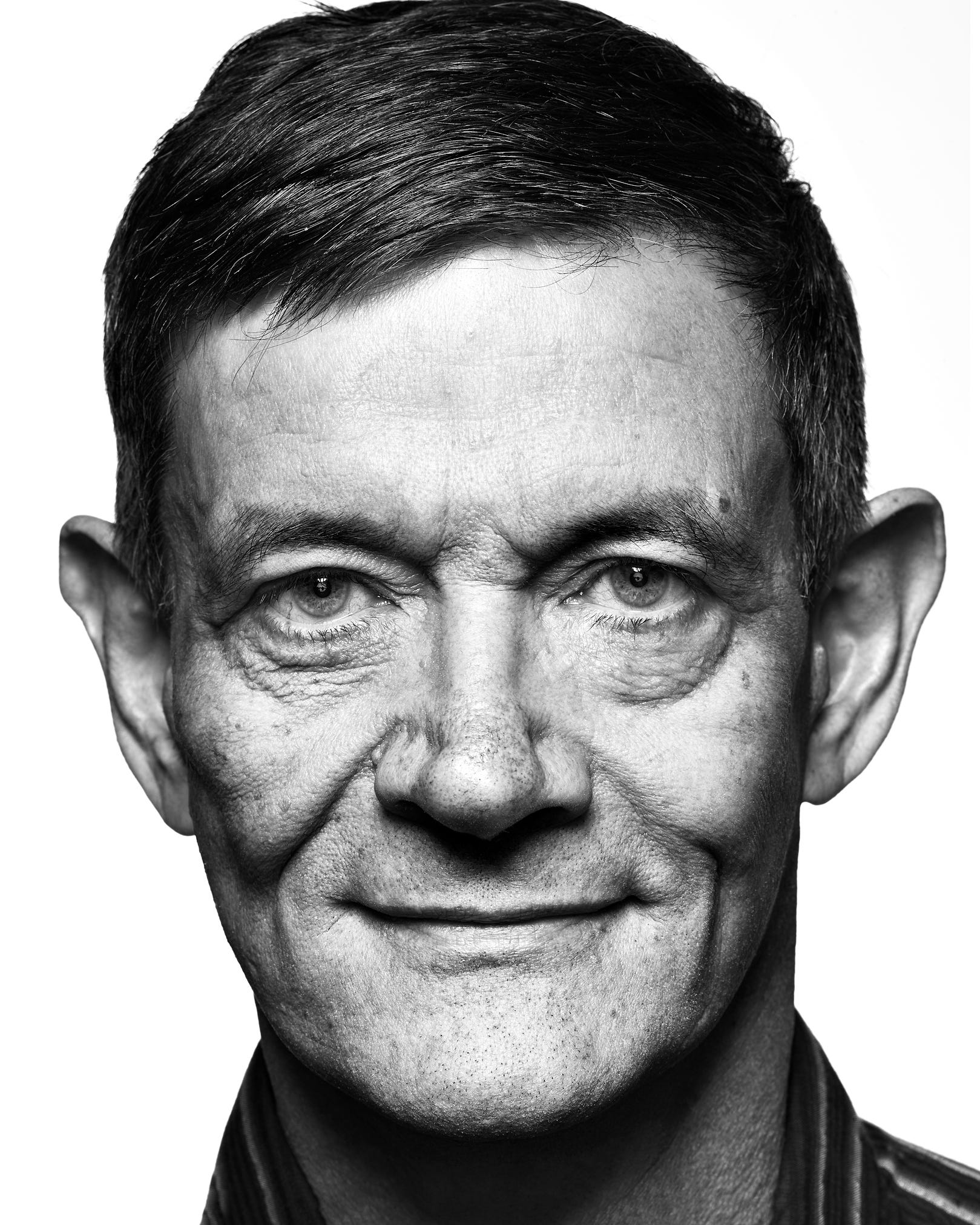
Andrew Morton, who has single-handedly maintained the Linux Kernel Memory Management (MM) subsystem for the past 26 years, announced his retirement and stepped down from his role.
The Context of Linux Memory Management
In the hierarchical architecture of the Linux kernel, the memory management subsystem is a critical component. It handles how physical and virtual memory is allocated, tracked, and freed across billions of active devices worldwide ranging from Android smartphones to massive cloud server deployments.
For over two and a half decades, Andrew Morton served as the primary gatekeeper for this code. Operating via his integration tree (the -mm tree), he reviewed, tested, and approved patches submitted by developers and multi-billion-dollar corporations alike.
The Transition Plan
While initial reports from the 2026 Linux Storage, Filesystem, Memory Management, and BPF Summit framed the departure as a sudden crisis with no clear path forward, the actual transition has been more structured.
The community has initiated a plan to move away from a single-maintainer model toward a decentralized committee to spread out the heavy workload:
New Leadership: David Hildenbrand, an active and established memory management contributor, has assumed management of the primary integration tree.
Decentralization: The subsystem’s review responsibilities are being divided among a broader group of core subsystem maintainers rather than relying entirely on a single individual.
The Core Problem in Open Source
This transition brings to light a persistent problem across the open-source ecosystem: the extreme imbalance of labor.

A massive portion of global digital infrastructure remains completely dependent on free software maintained by a very small number of overworked volunteers or under-supported engineers. When a primary maintainer retires, projects often face a significant lack of comprehensive design documentation, making it difficult for the next generation of contributors to take over seamlessly.
The decentralized reorganization of the Linux MM subsystem shows that the project can adapt to losing its longest-serving pillars. However, it serves as a clear reminder of the structural fragility built into the foundation of modern technology.