

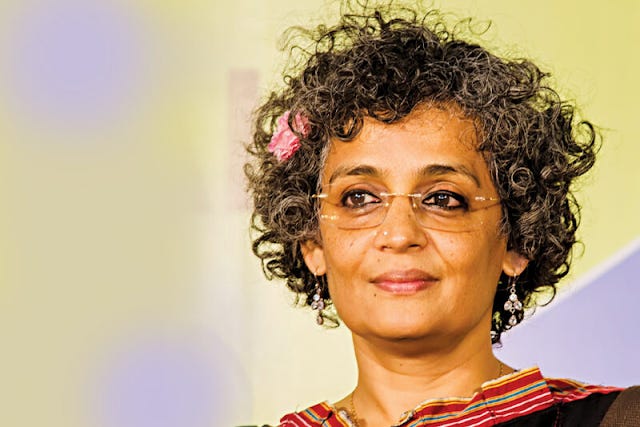
In the world of international cinema, the Berlin International Film Festival (Berlinale) has long marketed itself as the "political" festival—a place where art meets activism and the screen reflects the struggles of our time. But this week, that reputation suffered a devastating blow from one of the world’s most courageous literary voices.
Arundhati Roy, the Booker Prize-winning author of The God of Small Things, has officially withdrawn from the 2026 festival. Her decision wasn't just a scheduling conflict; it was a profound act of protest against what she calls the "unconscionable" silence of the festival’s leadership regarding the ongoing crisis in Gaza.
The Spark: "Art Should Not Be Political"
The controversy erupted during a press conference on Thursday, February 12. When asked about Germany’s support for Israel and the humanitarian catastrophe in Gaza, the festival’s jury president—the legendary director Wim Wenders—offered a response that Roy described as "jaw-dropping."
Wenders argued that filmmakers should "stay out of politics," claiming that while movies can change the world, they do so "not in a political way." He went on to describe artists as a "counterweight" to politics rather than participants in it.
To Roy, this wasn't just a difference of opinion—it was a moral abdication."Shocked and Disgust"
In a powerful statement published in The Wire, Roy didn't mince words. She expressed her "shock and disgust" at the idea that art can or should remain neutral while a "crime against humanity" unfolds in real time.
"To hear them say that art should not be political is jaw-dropping," Roy wrote.
"It is a way of shutting down a conversation about a crime against humanity even as it unfolds before us in real time—when artists, writers and filmmakers should be doing everything in their power to stop it.
For Roy, the situation is clear: what is happening in Gaza is a genocide of the Palestinian people by the State of Israel, supported and funded by Western powers, including Germany. By claiming "neutrality," the Berlinale jury isn't staying out of politics; they are effectively siding with the status quo and silencing the victims.
A Personal Sacrifice
This withdrawal is particularly poignant because Roy was scheduled to present a restored version of the 1989 film In Which Annie Gives It Those Ones, which she wrote and starred in. She described the invitation to screen this "whimsical" piece of her past as "sweet and wonderful."
However, her commitment to the present outweighed her nostalgia for the past. She noted that while she has always felt solidarity from German audiences, the "unconscionable" stance of the festival’s institutions made her attendance impossible.
Why It Matters
Arundhati Roy’s exit reminds us that art is never a "counterweight" to politics—it is the very lens through which we understand it. When the world’s most prominent cultural institutions choose to "stay out of politics" during a genocide, they aren't being objective; they are being complicit.
As Roy warned in her closing remarks: "If the greatest filmmakers and artists of our time cannot stand up and say so, they should know that history will judge them."
By stepping away from the red carpet, Arundhati Roy has chosen to stand on the right side of that history. The question now is: who else will follow?
What do you think? Can art ever truly be apolitical? Let me know in the comments.